Whether you want to watch the wildlife on your land, keep an eye on a remote outbuilding or check on livestock, a trail camera is one of the most useful bits of kit you can own. But with so many models and specs to compare, choosing one can feel confusing. This guide breaks it down in plain English so you can buy the right camera the first time.
What is a trail camera?
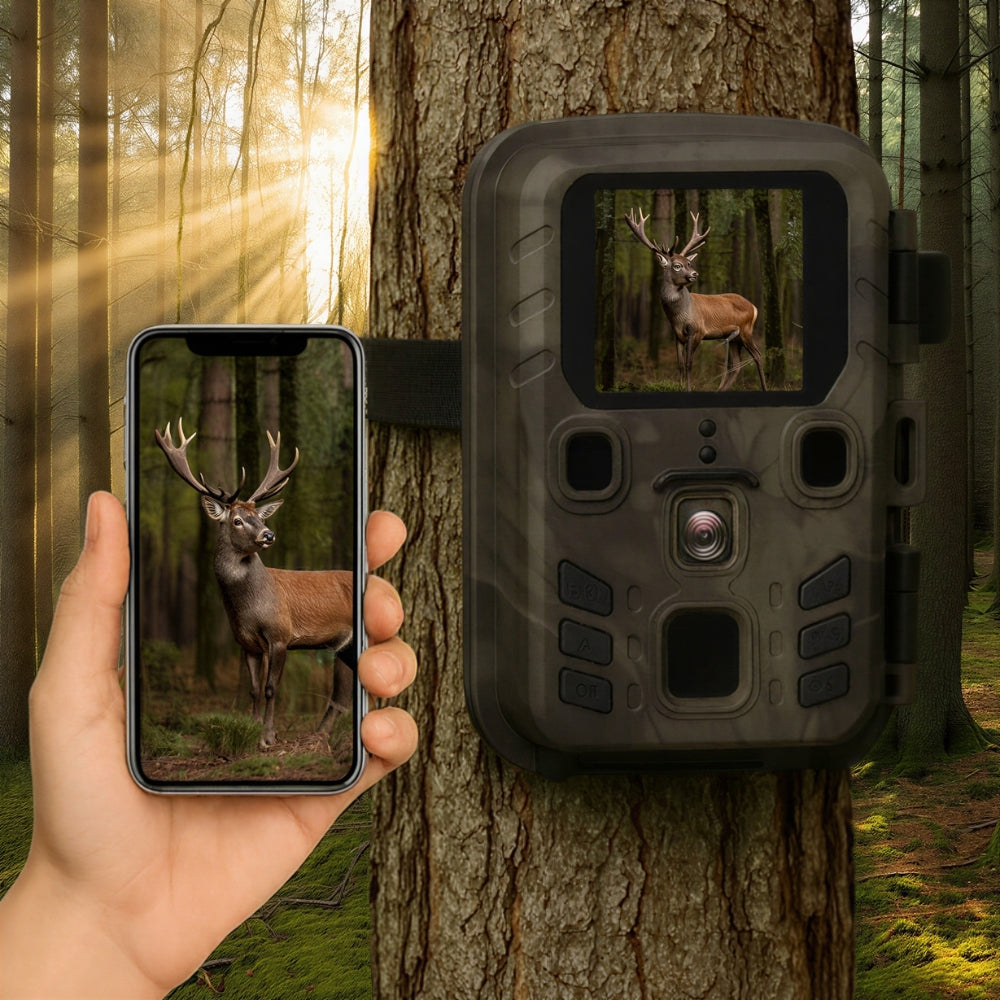
A trail camera (also called a game or wildlife camera) is a rugged, weatherproof camera that takes photos or video automatically whenever it detects movement. Strapped to a tree or post, it quietly records what passes by, day or night, so you can see what is happening without being there.
What to look for when choosing a trail camera
1. Photo and video quality
Higher resolution means sharper images and more detail when you zoom in. For most people, Full HD 1080p video is plenty, while 4K models give you extra clarity for identifying animals or faces. Look at the real photo resolution (in megapixels) and the video resolution together.
2. Night vision
Most action happens at dawn, dusk and after dark, so night vision matters. No-glow (black) infrared is invisible to animals and people, making it ideal for both wildlife and security. Low-glow gives a faint red light but is usually a little cheaper.
3. Trigger speed and detection range
Trigger speed is how quickly the camera fires once it senses movement. A fast trigger (around 0.2 seconds) means you catch the animal in frame rather than an empty shot. Detection range tells you how far away it will pick up movement.
4. Connectivity: standard, WiFi or 4G
A standard camera stores images on its memory card, which you collect in person. A WiFi camera lets you pull images to your phone when you are nearby. A 4G camera sends photos straight to your phone or email from anywhere with mobile signal, which is perfect for remote sites you cannot visit often.
5. Battery life and power
Check how long the camera runs between battery changes. Some models last up to 12 months on AA batteries, and solar-powered options top themselves up so you rarely need to touch them.
6. Weatherproofing
For the British outdoors, look for a solid IP weather rating so the camera shrugs off rain, snow and dust all year round.
7. Storage
Trail cameras record to a microSD card. Check the maximum size the camera supports and match your card to how much video you plan to capture. You can find the right cards in our accessories collection.
Match the camera to how you will use it
Wildlife watching: prioritise fast trigger speed, good night vision and image quality.
Security: a 4G model that alerts your phone the moment something moves is hard to beat.
Farming: long battery life or solar power means less trekking out to check the camera.
Hunting and scouting: quick trigger and reliable detection help you pattern movement on your ground.
The Wyldcam range
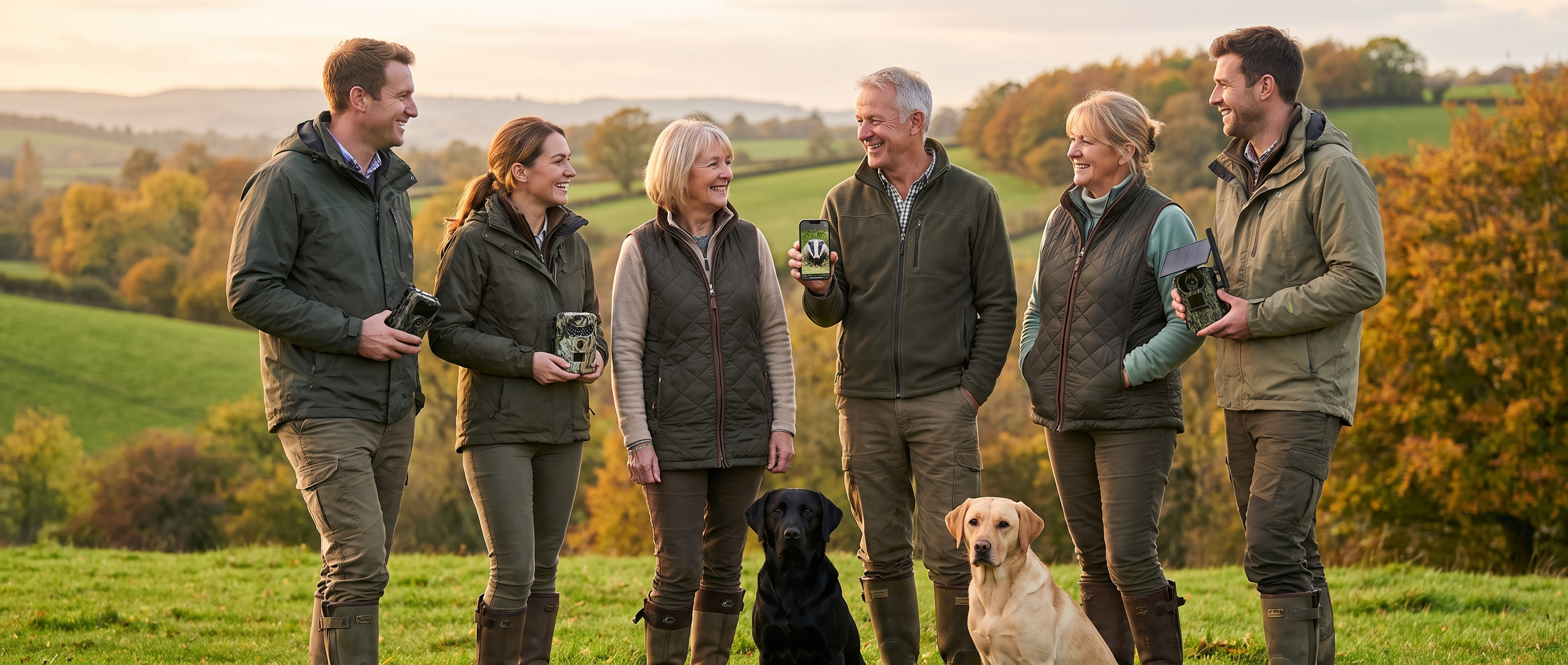
If you want live viewing over WiFi, the 4K WiFi Trail Camera sends images to the app. No WiFi on site? The Solar-Powered 4G Trail Camera runs on mobile signal and keeps itself charged. You can browse all of our trail cameras to compare models side by side.
Final thoughts
The best trail camera is the one that fits where and how you will use it. Decide whether you need images sent to your phone, how often you can visit the camera, and the conditions it will face, then match the specs to that. Still not sure? Message our UK team and we will help you choose in a couple of questions.