There is something special about seeing the wildlife that moves through your patch when no one is watching. A trail camera lets you do exactly that, quietly recording deer, foxes, badgers and birds while you are miles away. If you are just getting started, here is everything you need to know.
Why use a trail camera for wildlife?
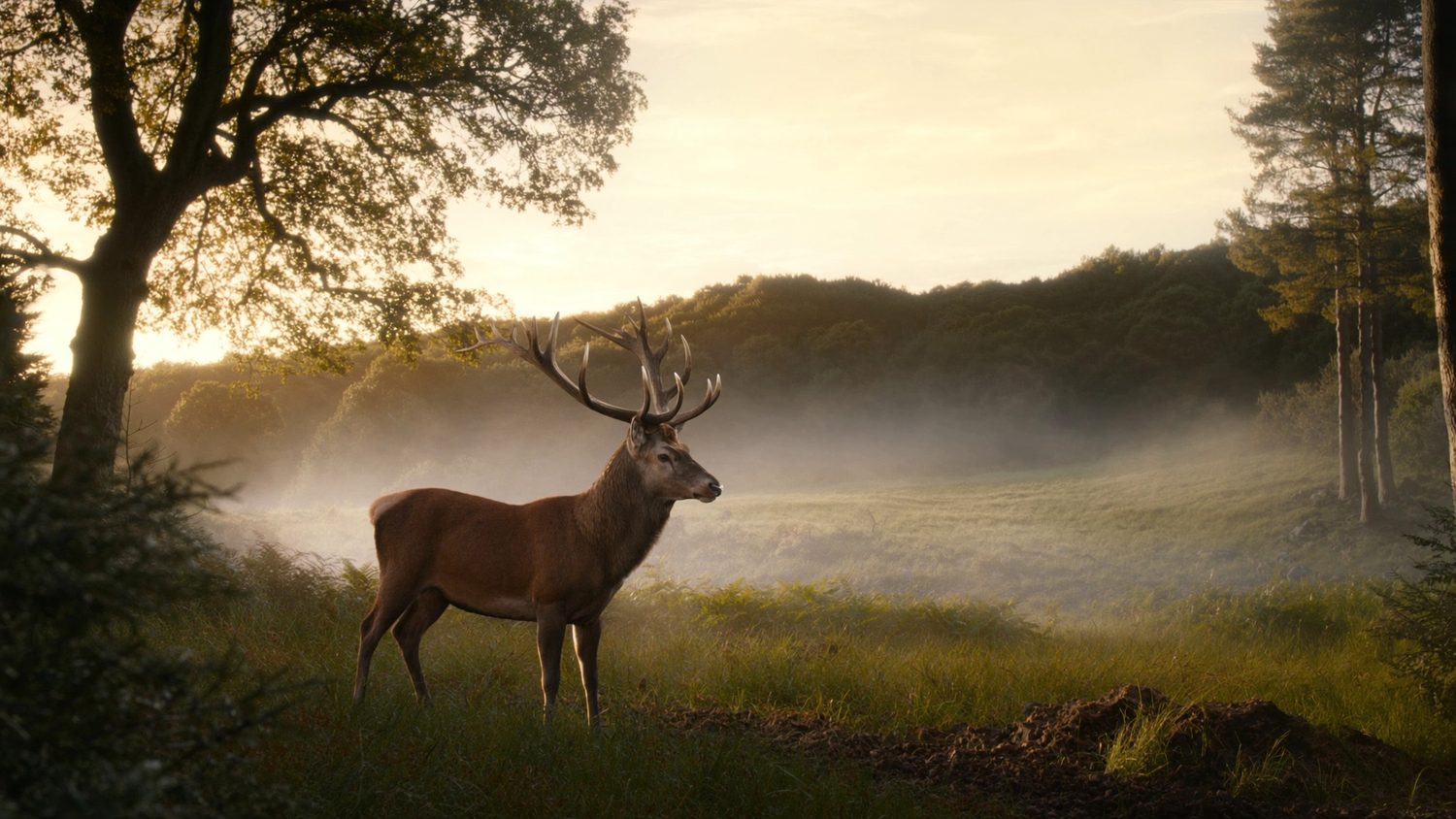
Animals are shy, and most activity happens at dawn, dusk or after dark when you are unlikely to be there. A trail camera is patient in a way we cannot be. Set it up once and it captures every visitor automatically, giving you a window into a world you would otherwise miss.
What to look for in your first camera
For wildlife, three things matter most. A fast trigger speed so you catch the animal in frame, good no-glow night vision so you record after dark without disturbing anything, and clear image quality so you can identify what passed by. Long battery life is a bonus, as it means fewer trips to disturb the area.
Getting started in three steps
1. Find the signs. Look for trails, tracks, droppings or feeding areas. Animals are creatures of habit and tend to follow the same routes.
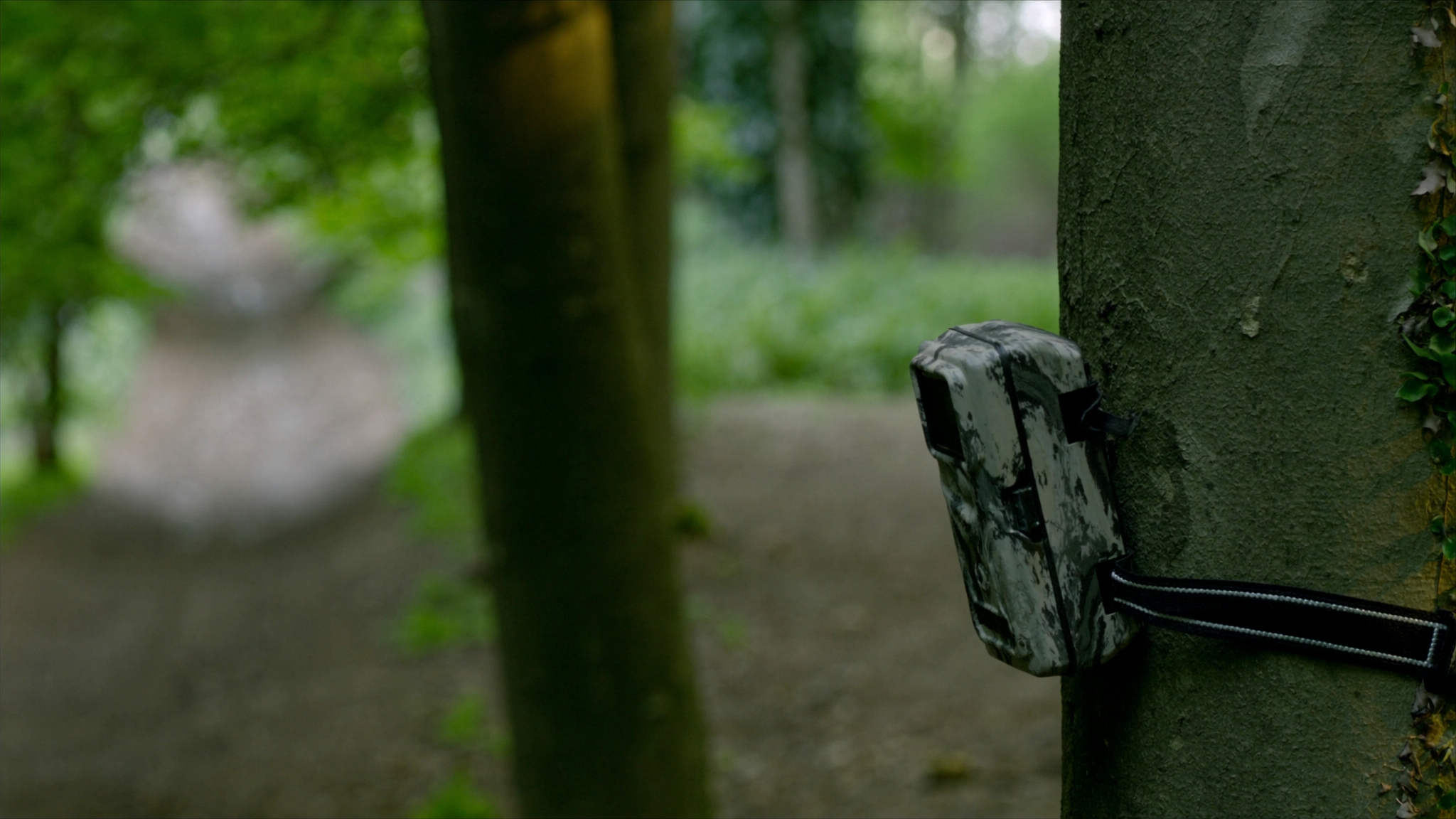
2. Set your camera low and steady. Mount it around knee to waist height on a solid tree, pointing along the trail rather than across it, so animals stay in frame longer.
3. Be patient. Leave the camera in place for at least a week before checking it. The less you visit, the more relaxed the wildlife will be.
Simple tips for better shots
Clear any grass or branches in front of the lens to avoid false triggers. Avoid pointing the camera at open sky or directly into the rising or setting sun. And keep a spare memory card handy so you can swap and review without cutting the camera's watch short. You will find the right cards in our accessories collection.
A camera to grow with
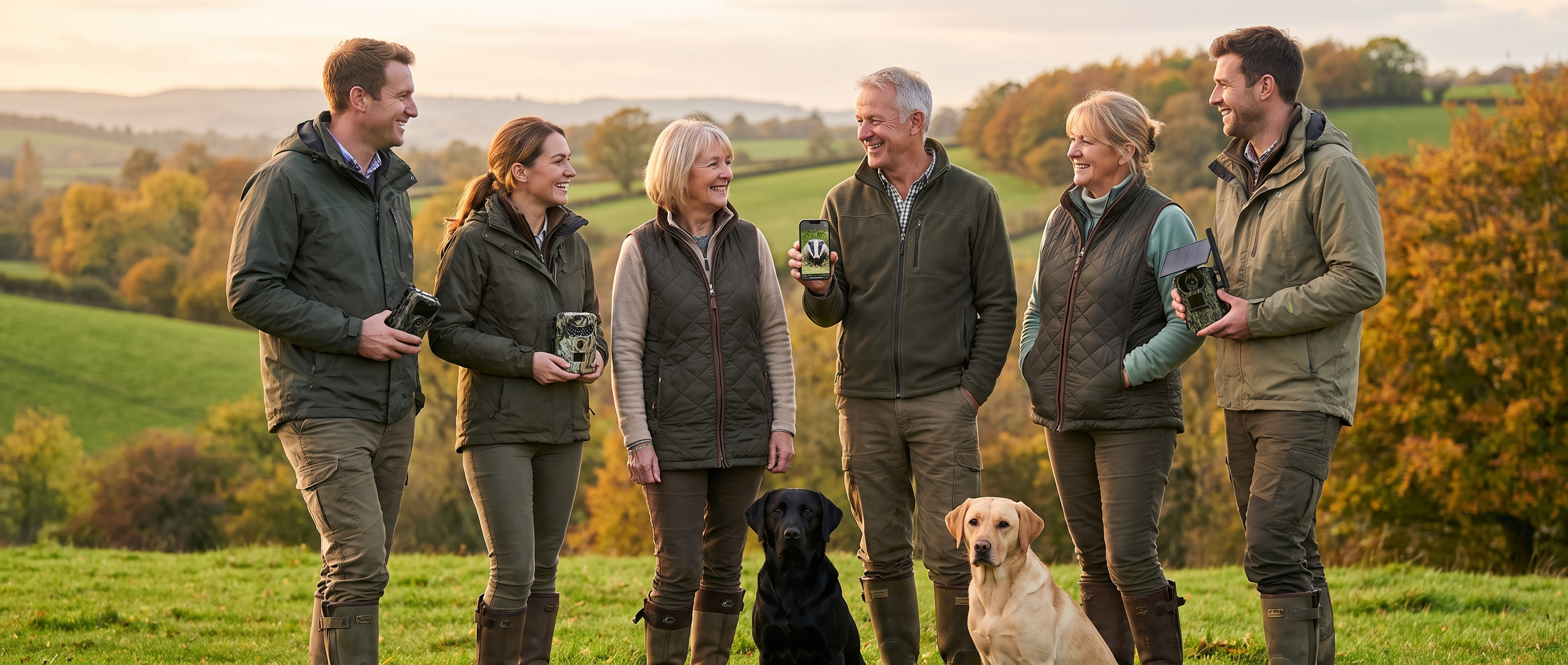
If you want to check your footage from the comfort of home, the 4K WiFi Trail Camera sends images to an app. For spots further afield, browse the full trail camera range and pick the model that suits where you watch.
Wildlife watching rewards patience and a little practice. Set your camera thoughtfully, leave it be, and you will soon be greeting the regulars that share your patch.