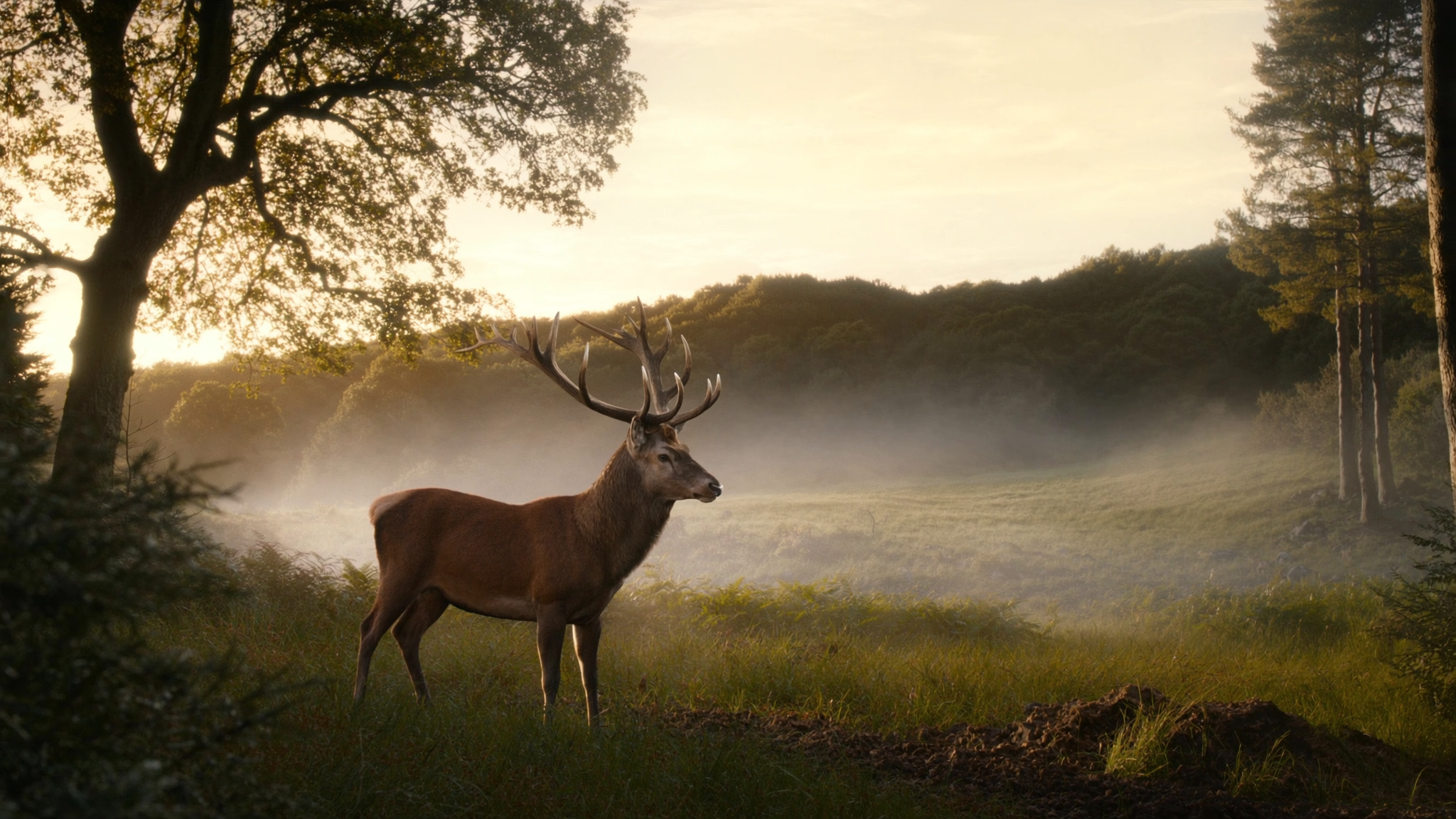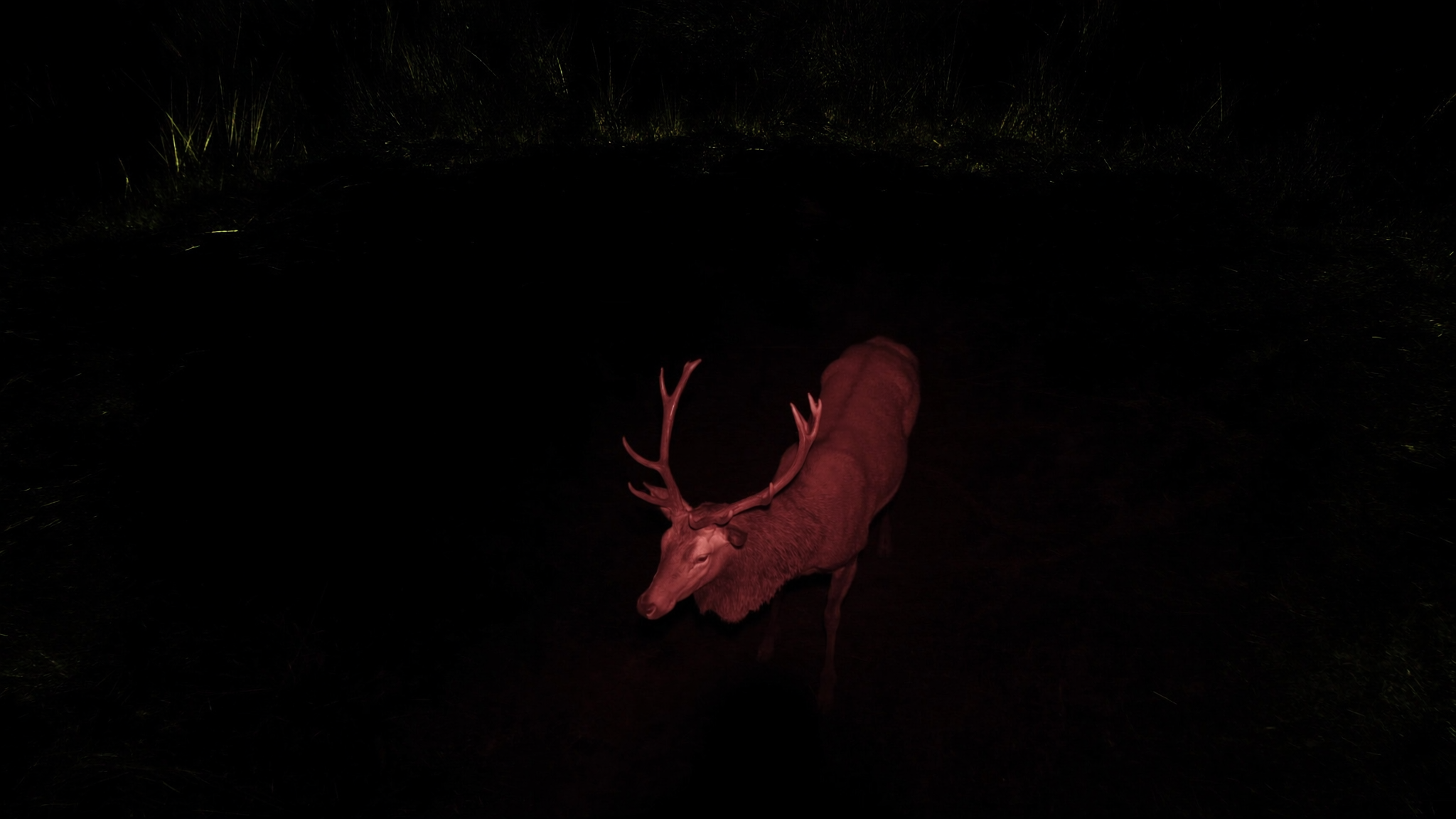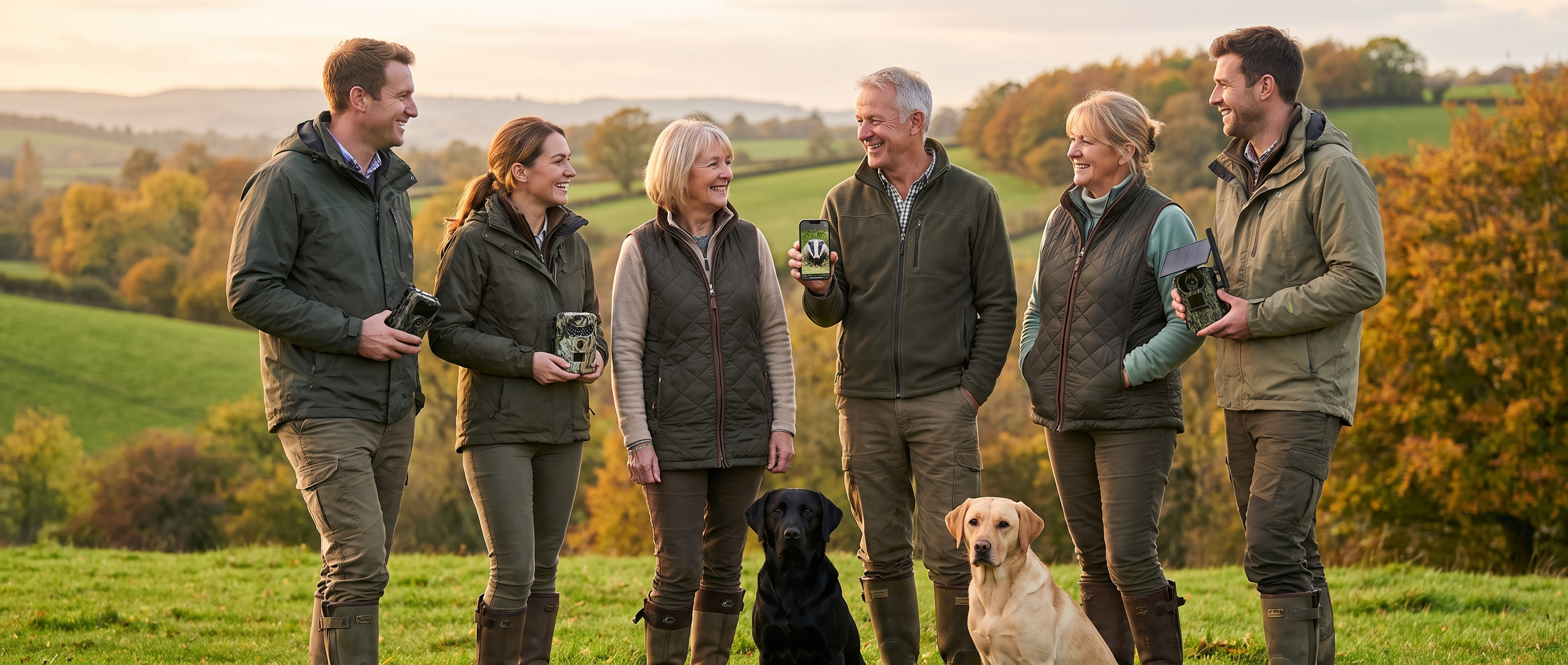
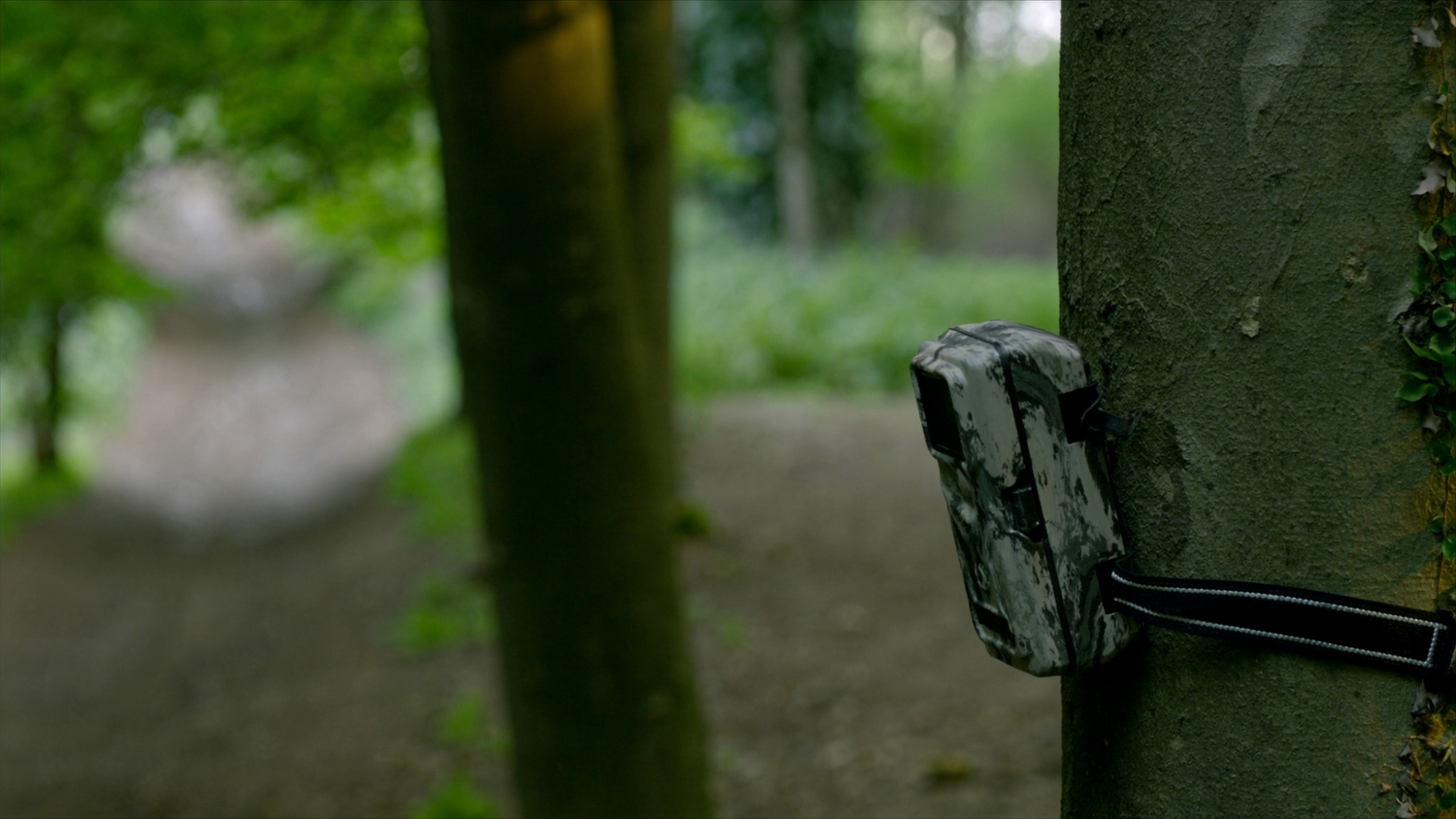
The single biggest factor in getting great trail camera footage is not the camera, it is where you put it. The right spot, height and angle turn empty frames into clear, well-timed shots. Here is how to place yours for the best results.
Find the right spot
Animals follow predictable routes, so look for the signs: worn trails, tracks, droppings, feeding areas or gaps in hedges and fences. Natural funnels where movement is channelled, such as a gap between two bushes or a gate, are ideal. For security, cover the obvious approach: a gate, path or driveway.
Get the height right
For most wildlife, mount the camera around knee to waist height, roughly 45 to 90 cm off the ground. This keeps small and medium animals in frame. For security or larger subjects, mount it a little higher and angle it down slightly.
Mind the angle
Point the camera along a trail rather than straight across it. When animals move towards or away from the lens, they stay in shot far longer, giving you more usable images. Avoid aiming at open sky or directly into the sunrise or sunset, which washes out the picture and can cause false triggers.
Keep it steady and clear
Fix the camera firmly to a solid tree or post so it cannot sway in the wind. A sturdy mounting bracket makes it easy to lock in the exact angle you want. Then clear any grass, twigs or leaves in front of the lens, as moving vegetation is the number one cause of empty, false-triggered shots.
Think about the sun
In the UK, a camera facing north generally avoids direct sun through the day, which keeps your images evenly lit. If you must face east or west, expect a little glare around dawn and dusk.
Test before you leave
Use the camera's test or walk mode and move through the area at the distance you expect activity. Confirm it triggers where you want, then adjust if needed. A couple of minutes here saves you a week of missed shots.
Get placement right and even an entry-level camera will impress. Browse our trail camera range to find the right model, then put these tips to work in the field.